Bone Truss Bridge Dental Implantology
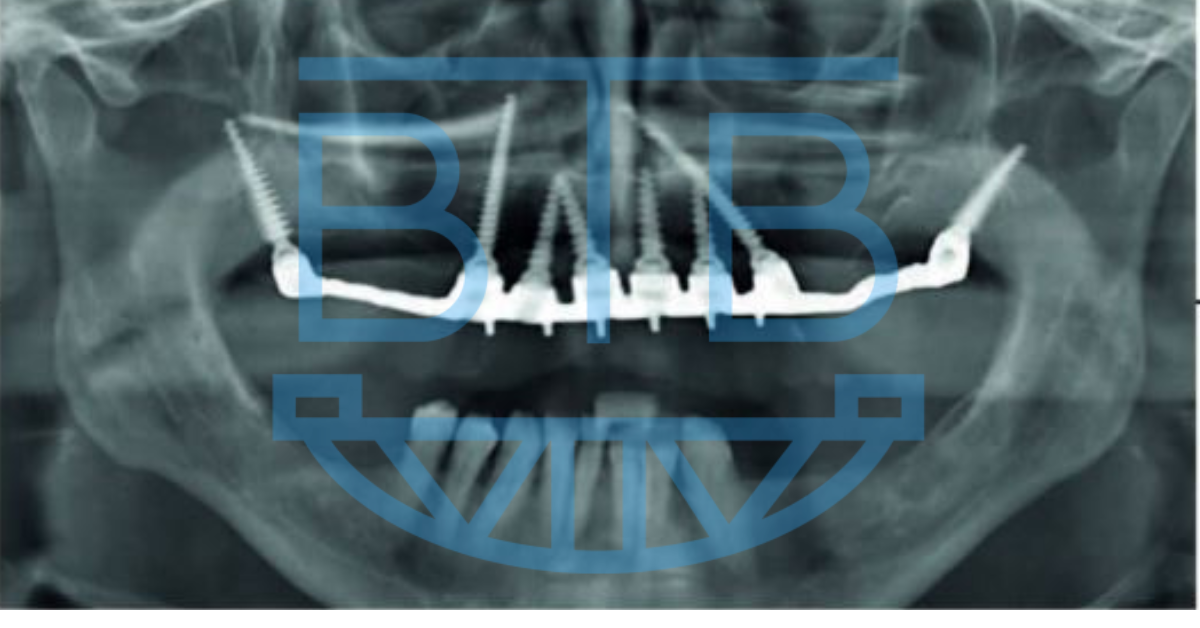
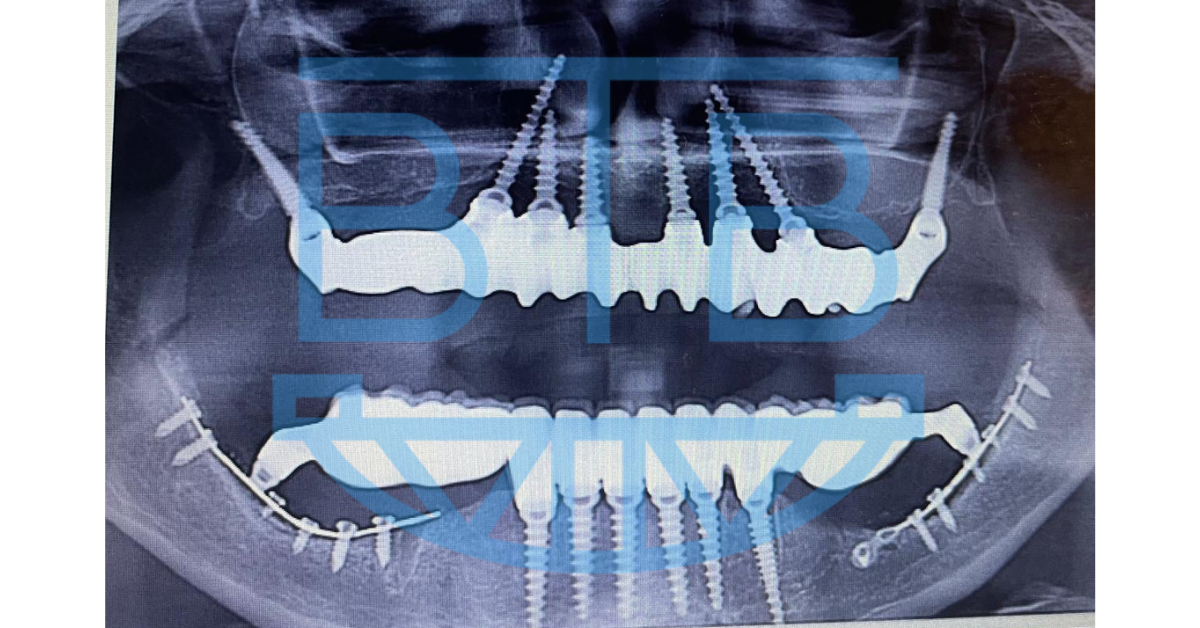
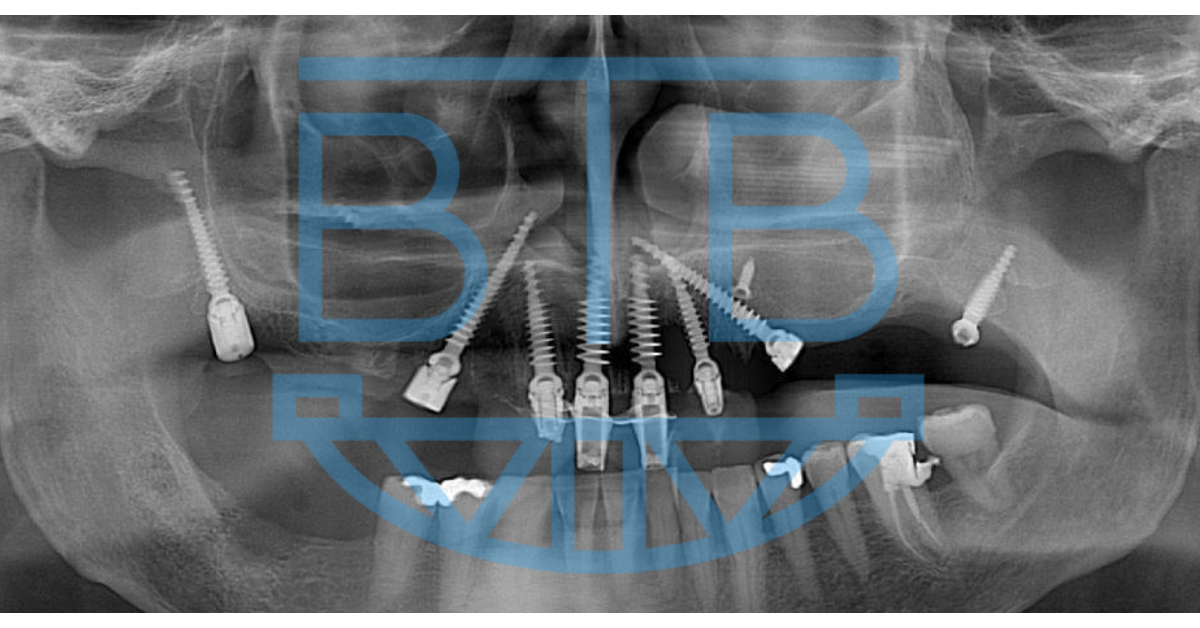
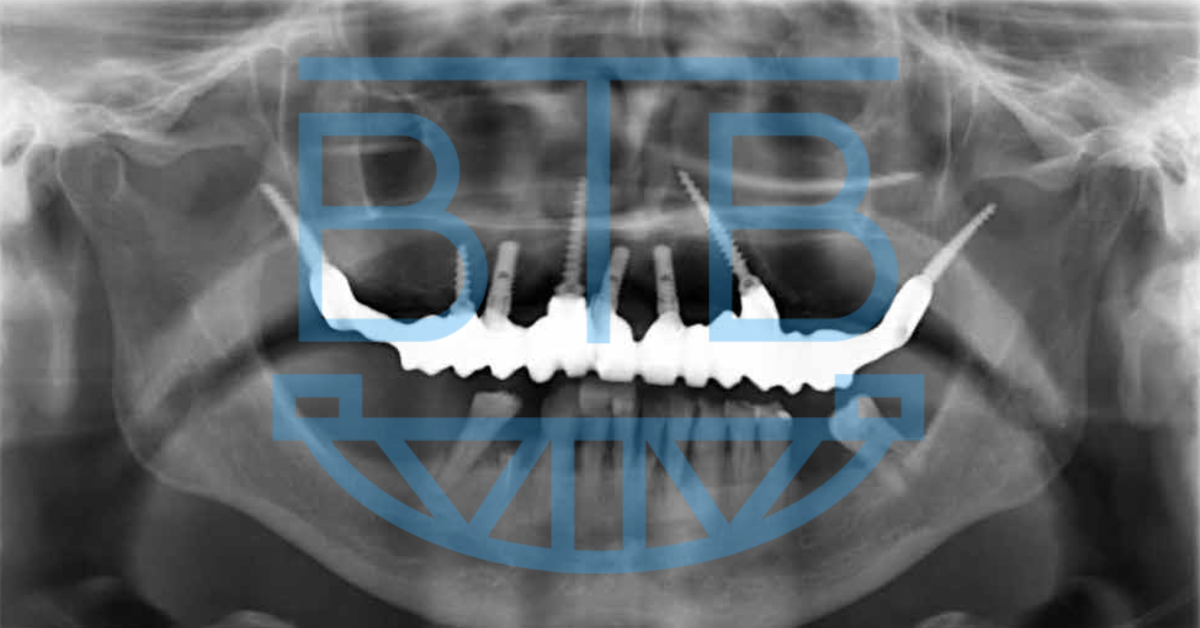
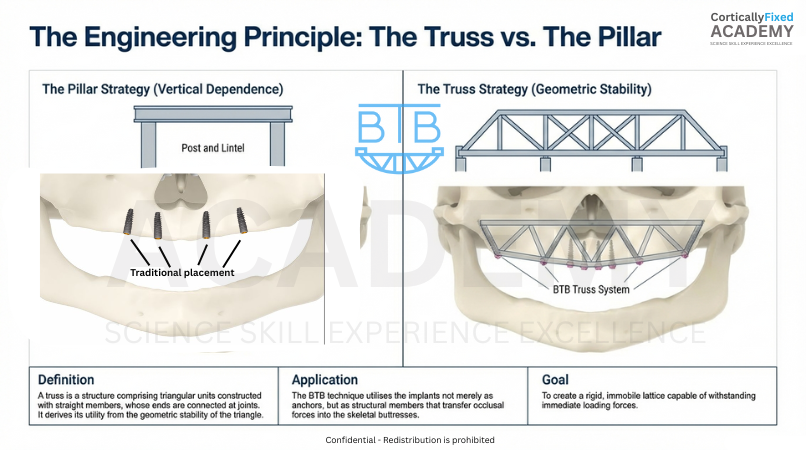
The Bone Truss Bridge (BTB) is a specific surgical approach in dental implantology used to restore the upper jaw (maxilla) in patients with severe bone loss.
1. The Core Concept: "Bone-Driven" Engineering
The name is inspired by the Bowstring Truss Bridge (a 19th-century structural design).
2. The Specific "Pillars" of the Bridge
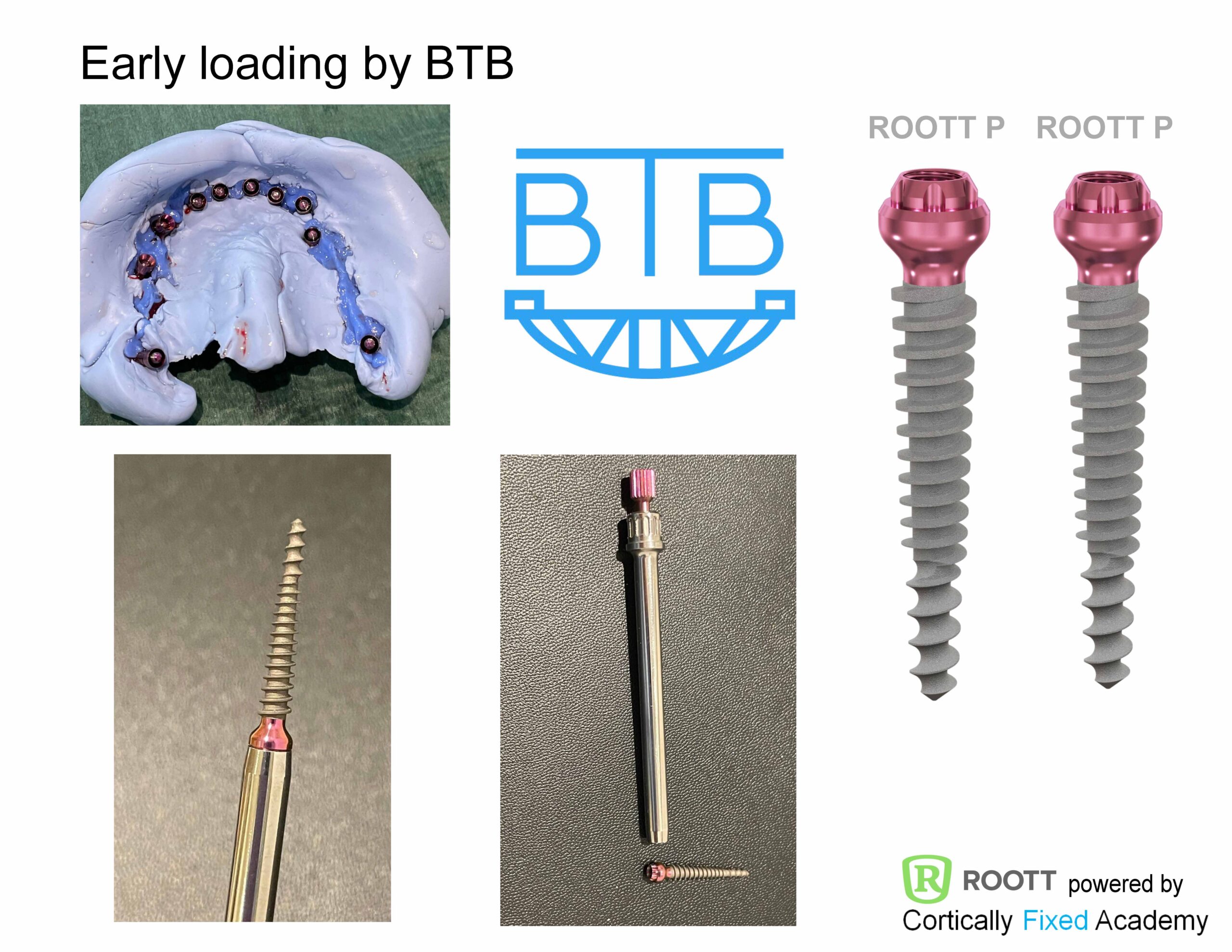
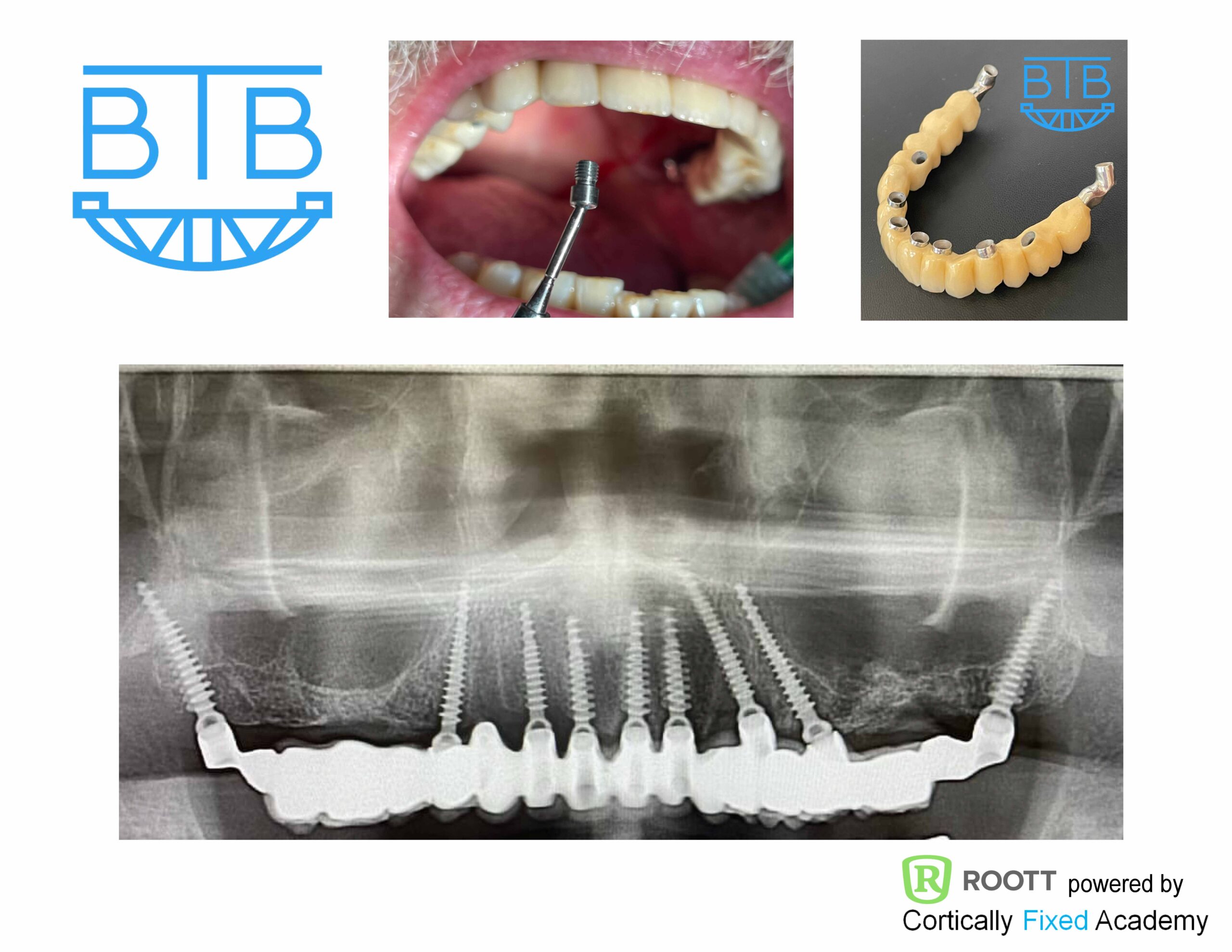
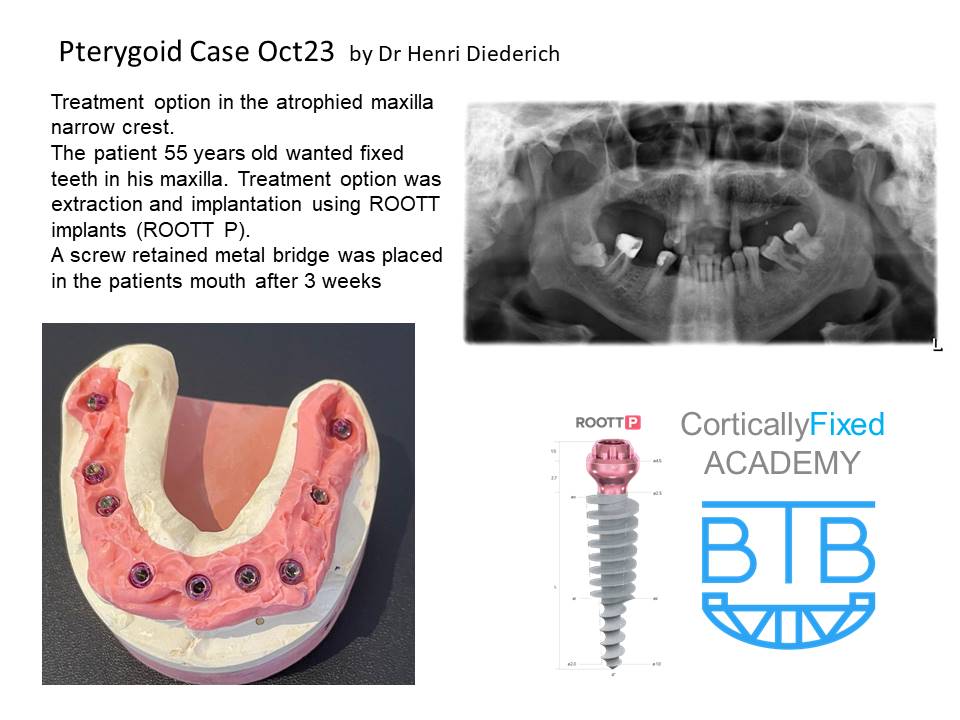
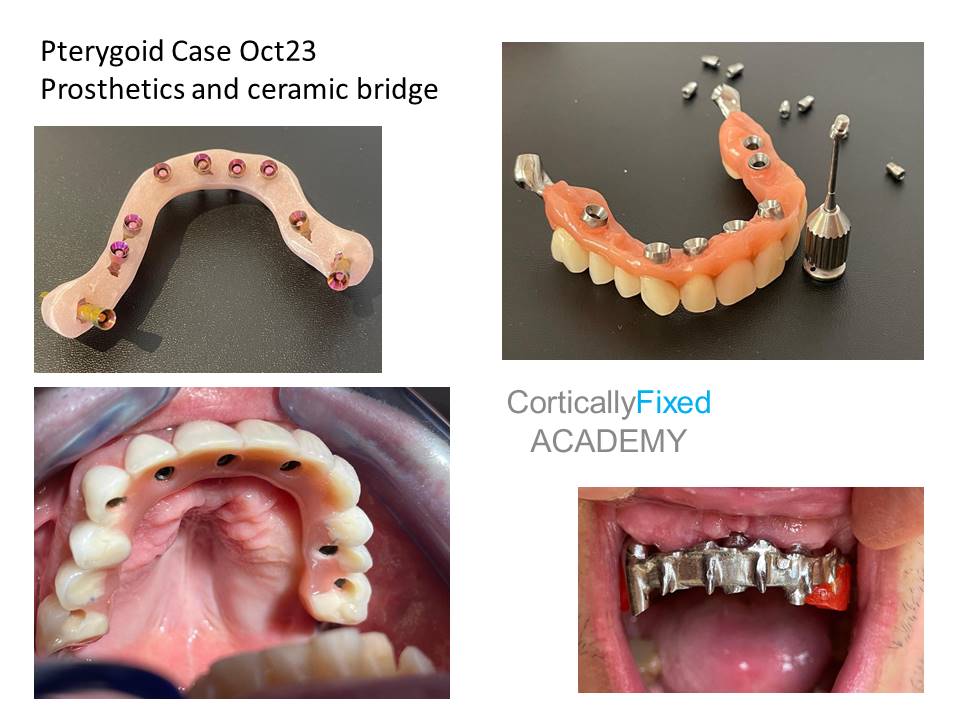
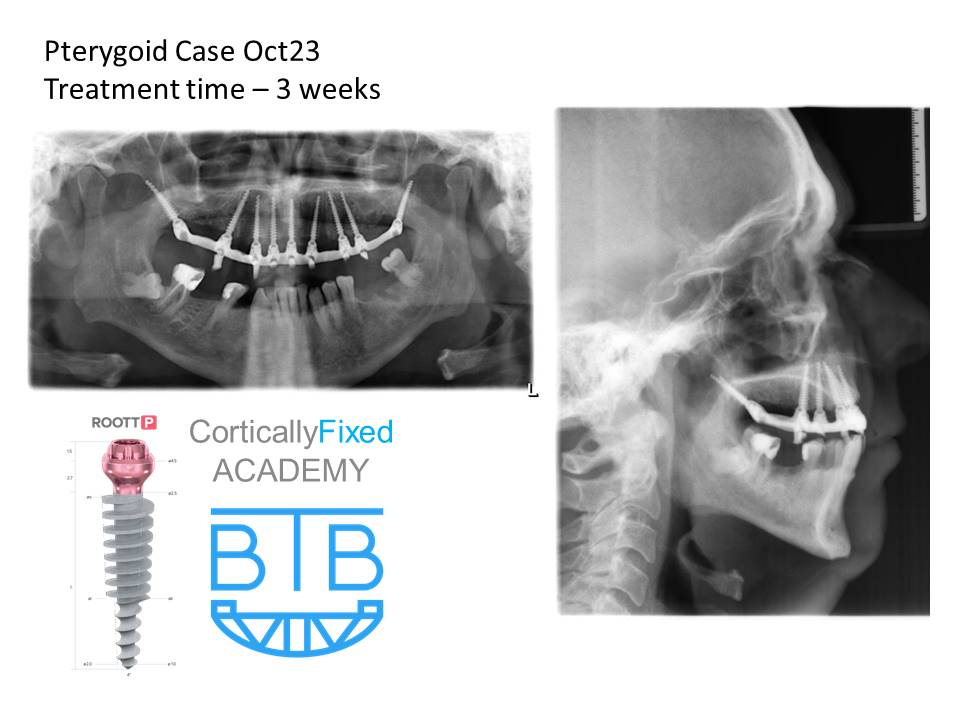
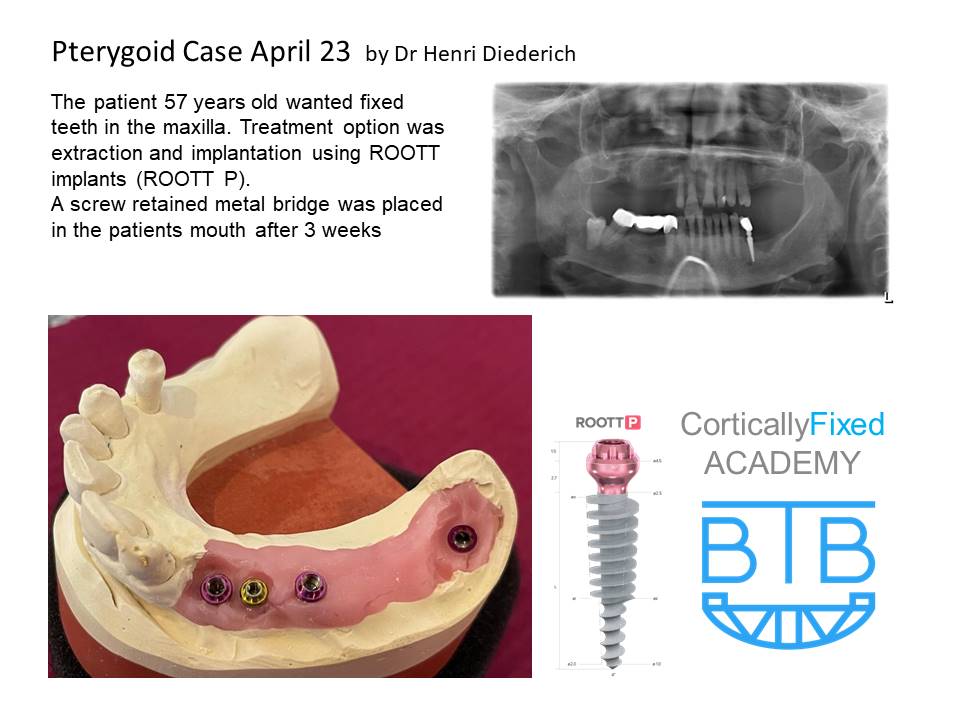
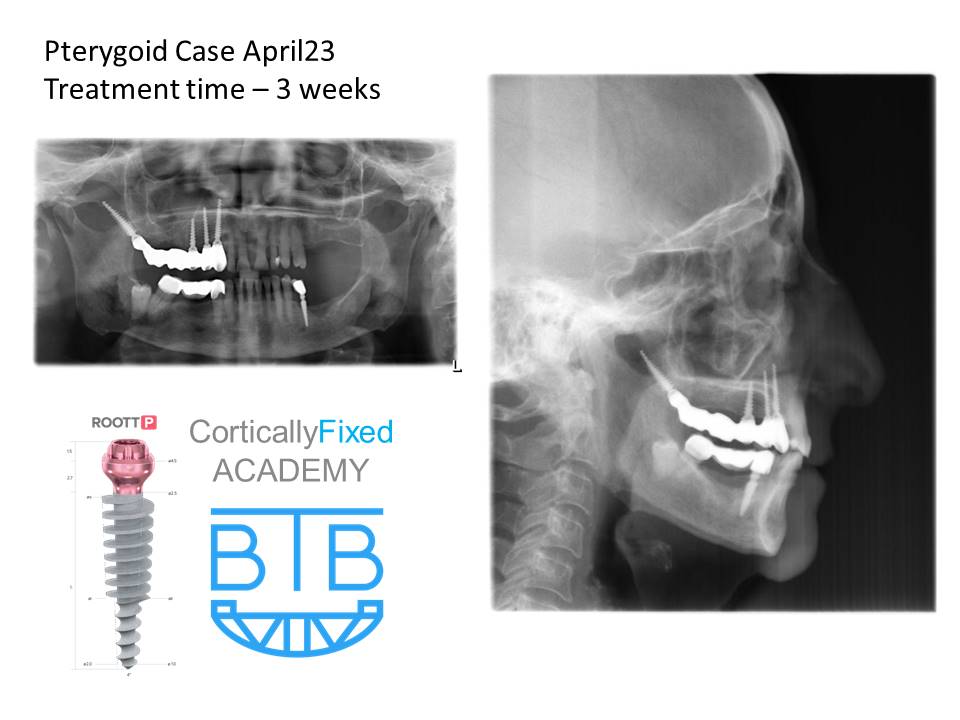
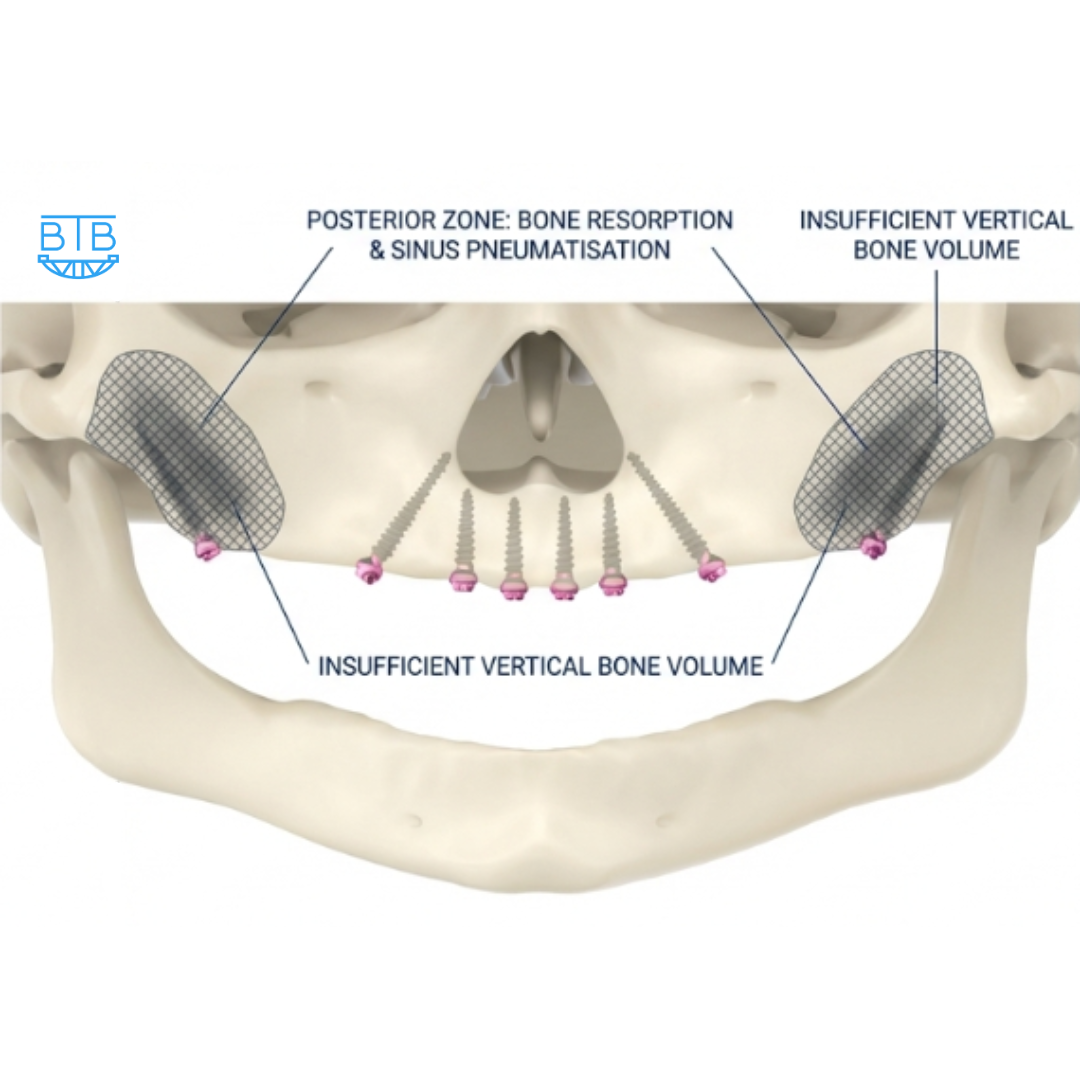
Unlike standard All-on-4 procedures that stay within the jawbone, the BTB protocol often utilizes eight specific anchorage points to create a rigid foundation:
-
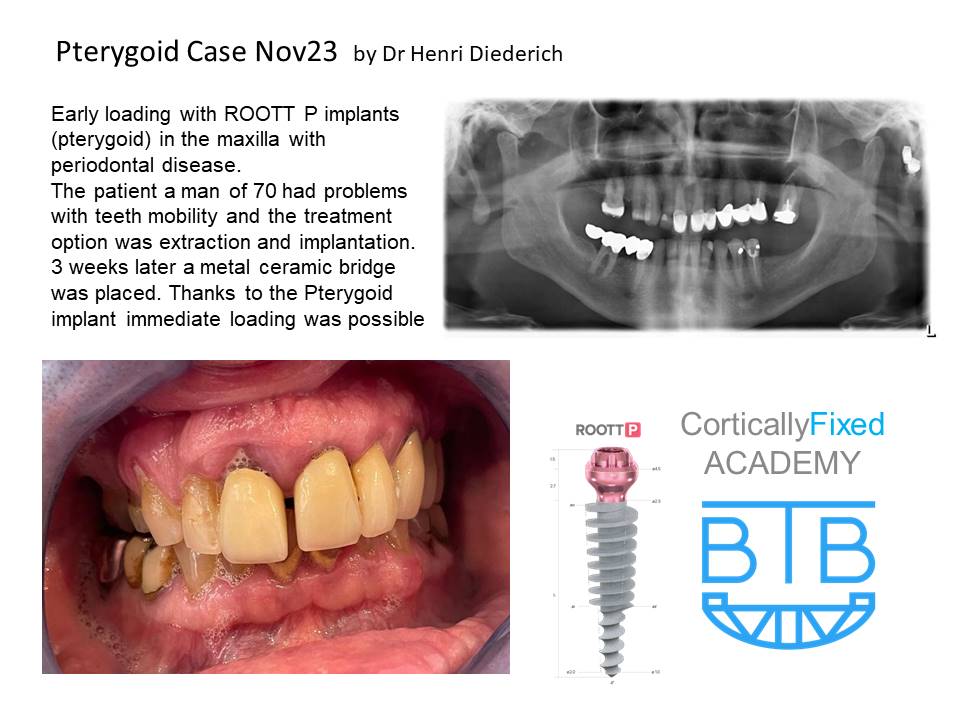
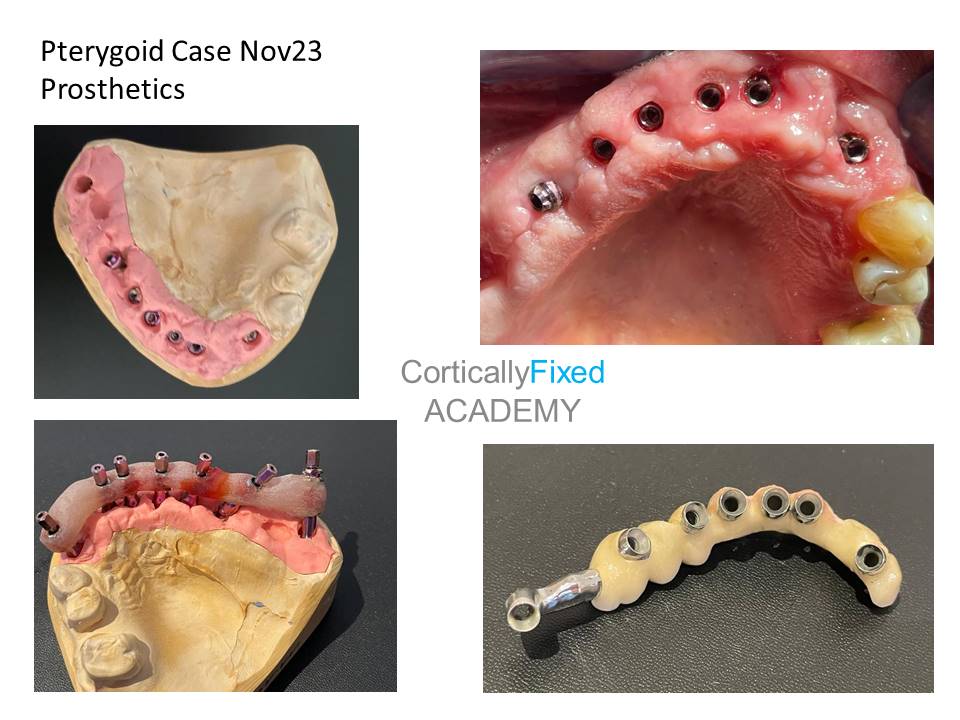
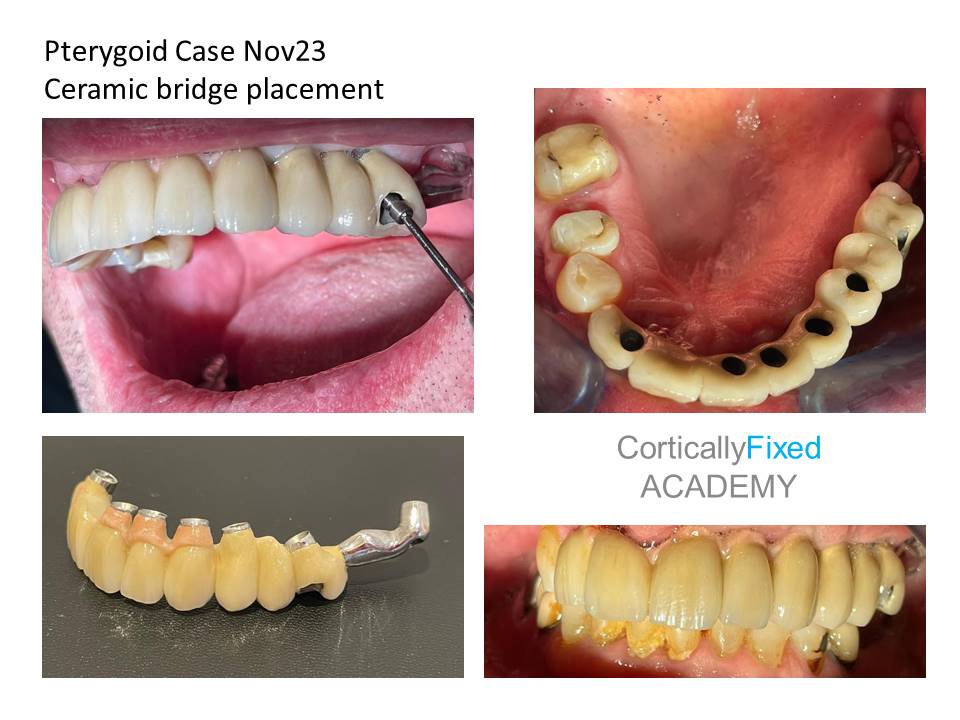
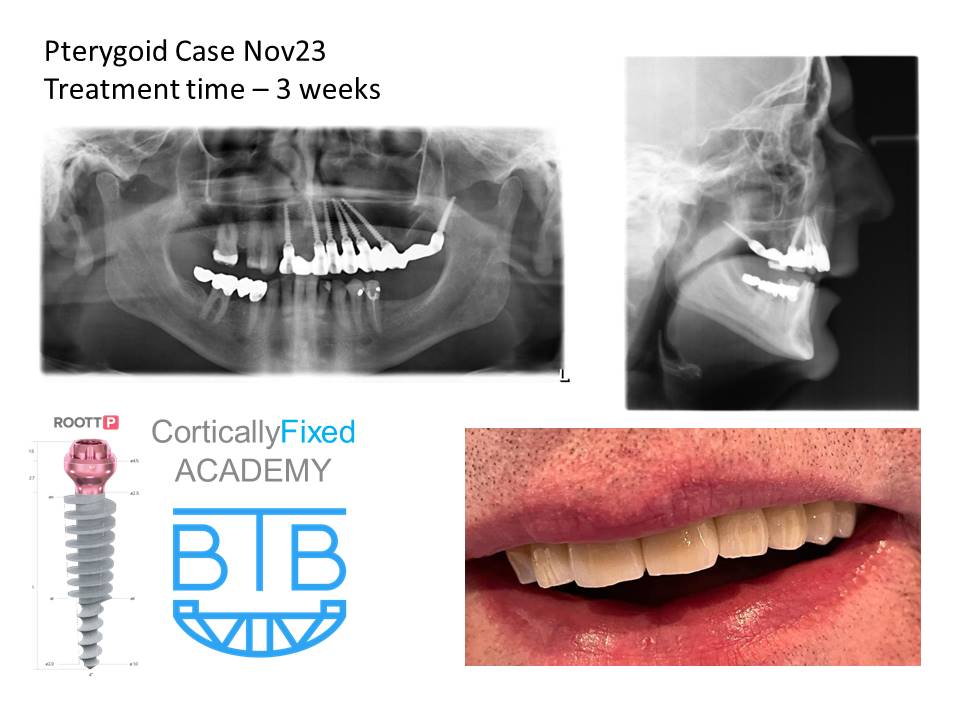
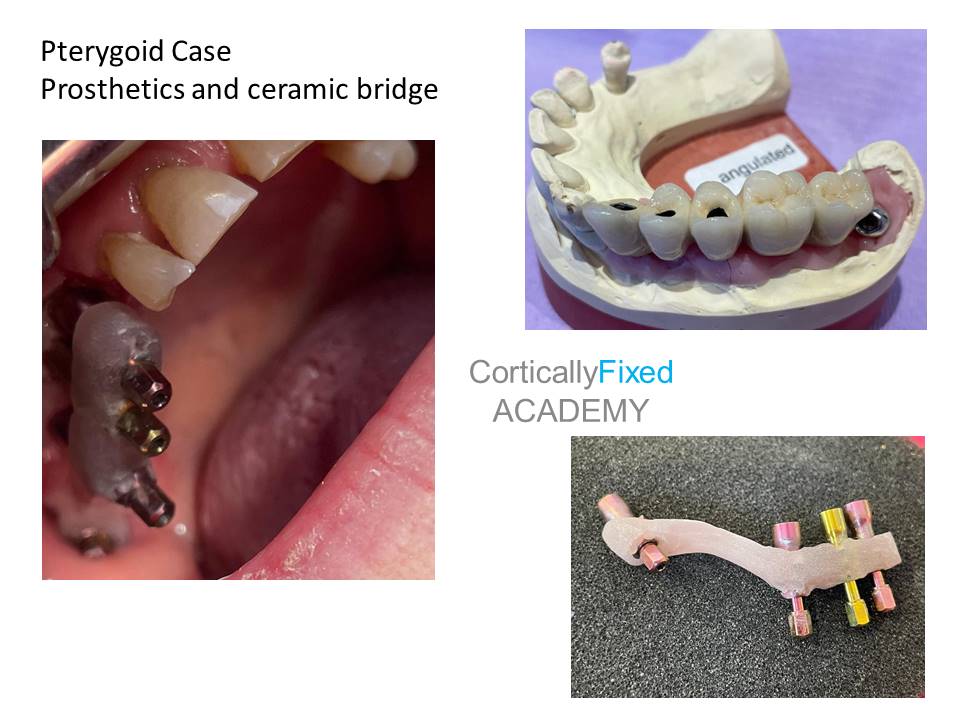
Pterygoid Implants: Placed at the very back of the mouth into the pterygoid bone.
This bone is extremely dense and never shrinks, providing a "rock-solid" anchor. -
Trans-Nasal Implants: Implants placed near the floor of the nose.
These engage the bone around the nasal cavity.

Publications
Bone Truss Bridge (BTB) Approach for Atrophic Maxilla Rehabilitation

Full-Arch Maxillary Rehabilitation Using the Bone Truss Bridge in a Severely Compromised Maxilla: A Clinical Case Report
Maximize Efficiency with BTB Protocols: From Placement to Loading in Under 3 Weeks
Unlock a higher standard of productivity and clinical success. BTB protocols are purpose-built to maximize Immediate Loading opportunities, allowing you to streamline complex workflows without ever sacrificing surgical precision.
Why Integrate BTB Protocols?
-
Accelerated Timelines: Reduce average treatment cycles to under three weeks.
-
Immediate Loading: Drive faster outcomes and higher patient satisfaction.
-
Predictable Precision: Engineered workflows designed to minimize variables and maximize success.
-
Practice Growth: Manage complex cases with greater speed and clinical confidence.
Bone Truss Bridge - Patient Cases